


IFA 2026: Lexar Showcases Storage for Local AI
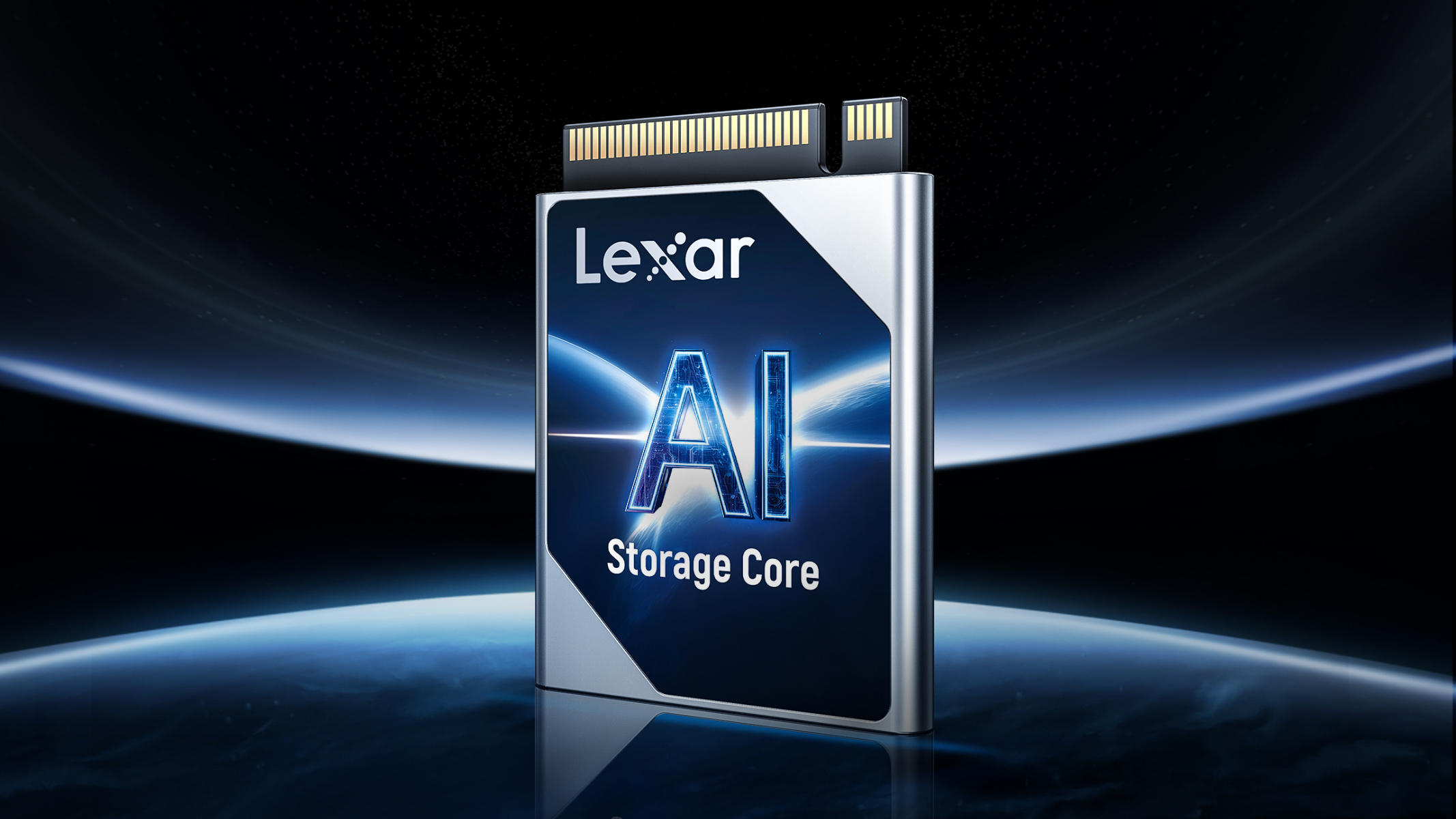
At IFA 2026, Lexar is showcasing the latest evolution of Lexar AI Storage Core, an integrated hardware and software approach designed to make storage a more active part of local AI performance. The showcase brings together next-generation AI-grade Gen5 SSD and AI-grade Gen5 Storage Stick concepts with Lexar Luma Bridge technologies.
As more AI tasks run directly on PCs and compact devices, the way systems store, retrieve, and manage data matters at every stage. Lexar AI Storage Core addresses these demands by combining high-bandwidth storage with intelligent data management, helping devices make more effective use of DRAM and NAND.
When AI Moves to the Device, Storage Has to Do More
Running AI locally brings the model and its data closer to the person using it. For an AI PC or a compact edge device, that creates a continuous need to access model data, maintain working context, and respond as a task develops.
Consider a local AI assistant working through a long document. The device needs room to keep the model, memory to support its operation, and timely access to the data involved in generating each response. As the workload grows, these demands place greater pressure on the system's available resources.
Compact devices also have limited space, power, and cooling. Supporting larger models within those constraints calls for storage and memory to work together efficiently, with attention to both data access and sustained operation.
Hardware and Software, Working Together
Lexar AI Storage Core brings advanced packaging, chip hardware, Lexar Luma Bridge technologies, and system-level optimization into one coordinated approach.
The hardware foundation centers on Longsys' self-developed Gen5 SPU, or Storage Processing Unit. Built on a 5 nm process with a DRAM-less architecture, it supports the development of high-performance AI storage. Lexar Luma Bridge provides the software intelligence, using workload scheduling and data management to help the system use its storage resources effectively.
DRAM provides fast working memory for active tasks, while NAND provides persistent storage for larger amounts of data. Coordinating their roles helps the system accommodate demanding AI workloads while making better use of the memory available to it.
Smarter Data Movement with Lexar Luma Bridge
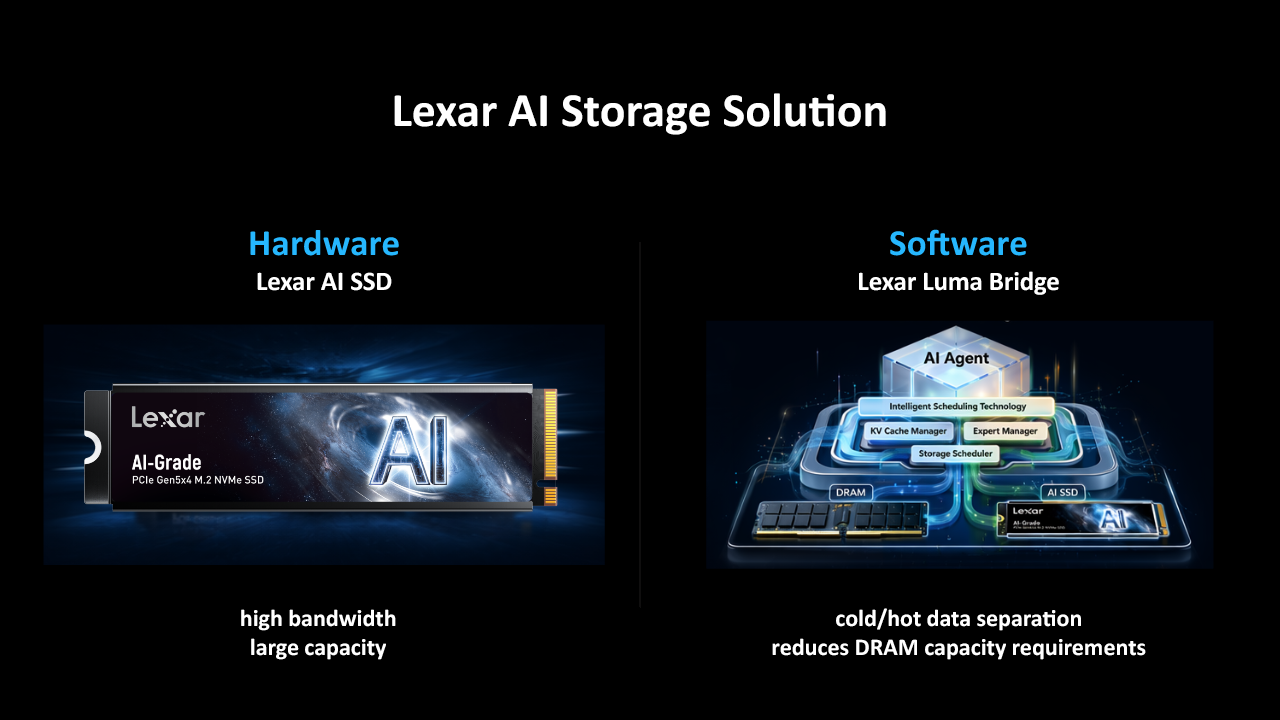
During AI operation, some data is needed frequently, while other data is accessed less often. Lexar Luma Bridge uses hot and cold data separation to help manage these different access patterns across DRAM and NAND. Less frequently accessed data can be held in SSD storage, reducing the amount that needs to occupy DRAM.
Lexar Luma Bridge is an intelligent scheduling engine for edge AI inference. It addresses challenges of MoE large models—huge parameter sizes, rapid KV Cache expansion, and I/O latency impacting inference smoothness—through MoE expert offloading, KV Cache intelligent management and intelligent prefetching algorithms, efficiently solving storage scheduling bottlenecks in edge AI inference.
Gen5 Performance in More Flexible Forms
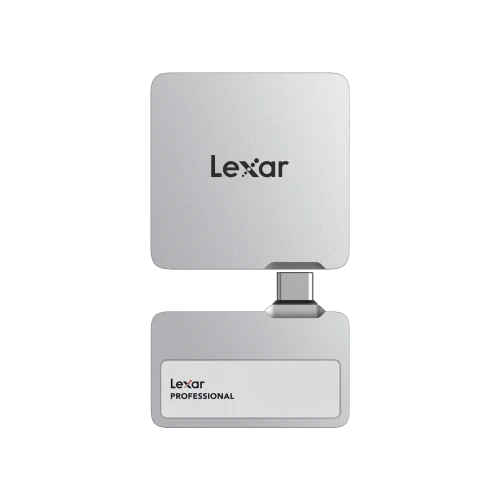
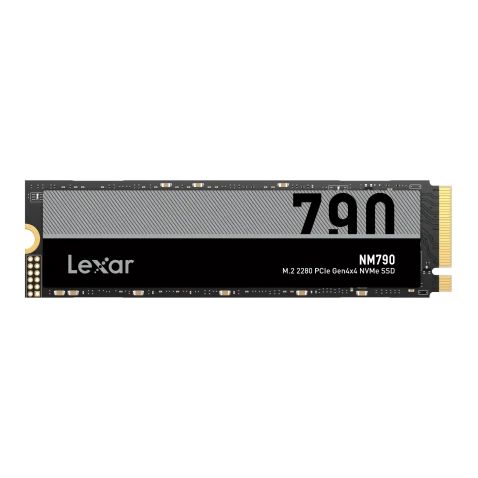
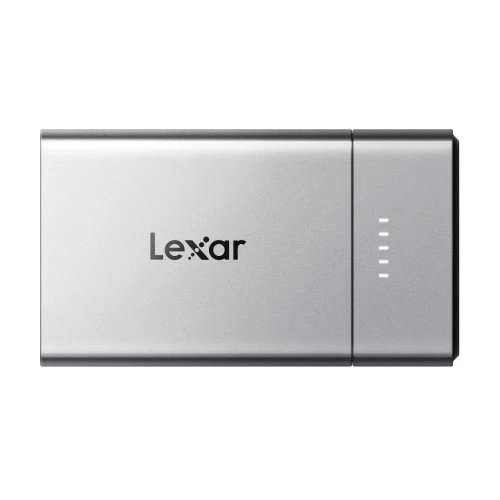
The AI-grade Gen5 SSD and AI-grade Gen5 Storage Stick concepts shown at IFA 2026 bring this direction into focus. Designed to deliver bandwidth of up to 11 GB/s, they explore high-performance storage and flexible expansion options for compact AI devices.²
Higher bandwidth supports the movement of large model files and data. Combined with intelligent scheduling, the concepts aim to support larger local model storage, faster model switching, and lower-latency access. For devices expected to handle AI tasks within a small enclosure, sustained performance under power and thermal constraints is also a central design consideration.
The two form factors reflect different storage needs. The SSD concept provides a familiar format for AI systems, while the Storage Stick concept explores a more adaptable expansion path. Both form part of Lexar's work toward storage that fits the performance and physical requirements of future edge AI devices.
Building for the Next Wave of Edge AI
Lexar's IFA 2026 showcase reflects a broader role for storage in local computing: helping models load, data move, and memory serve the workload more efficiently. By developing chip hardware and Lexar Luma Bridge together, Lexar AI Storage Core brings these responsibilities into a coordinated architecture.
Explore Lexar's IFA 2026 showcase for a closer look at its latest AI storage technologies and the next generation of storage concepts for on-device AI.
¹ Actual results depend on the model, workload, system configuration, and implementation.
² The AI-grade Gen5 SSD and AI-grade Gen5 Storage Stick are presented as concepts. Up to 11 GB/s is the stated design bandwidth; actual performance and final specifications depend on implementation and the host system.